Areas of intervention
Four pillars so that economic progress respects the environment and social equity.
Our approach
A holistic approach to rural development
We act holistically through four intervention pillars to ensure that economic progress respects the environment and social equity.
Pillar 1
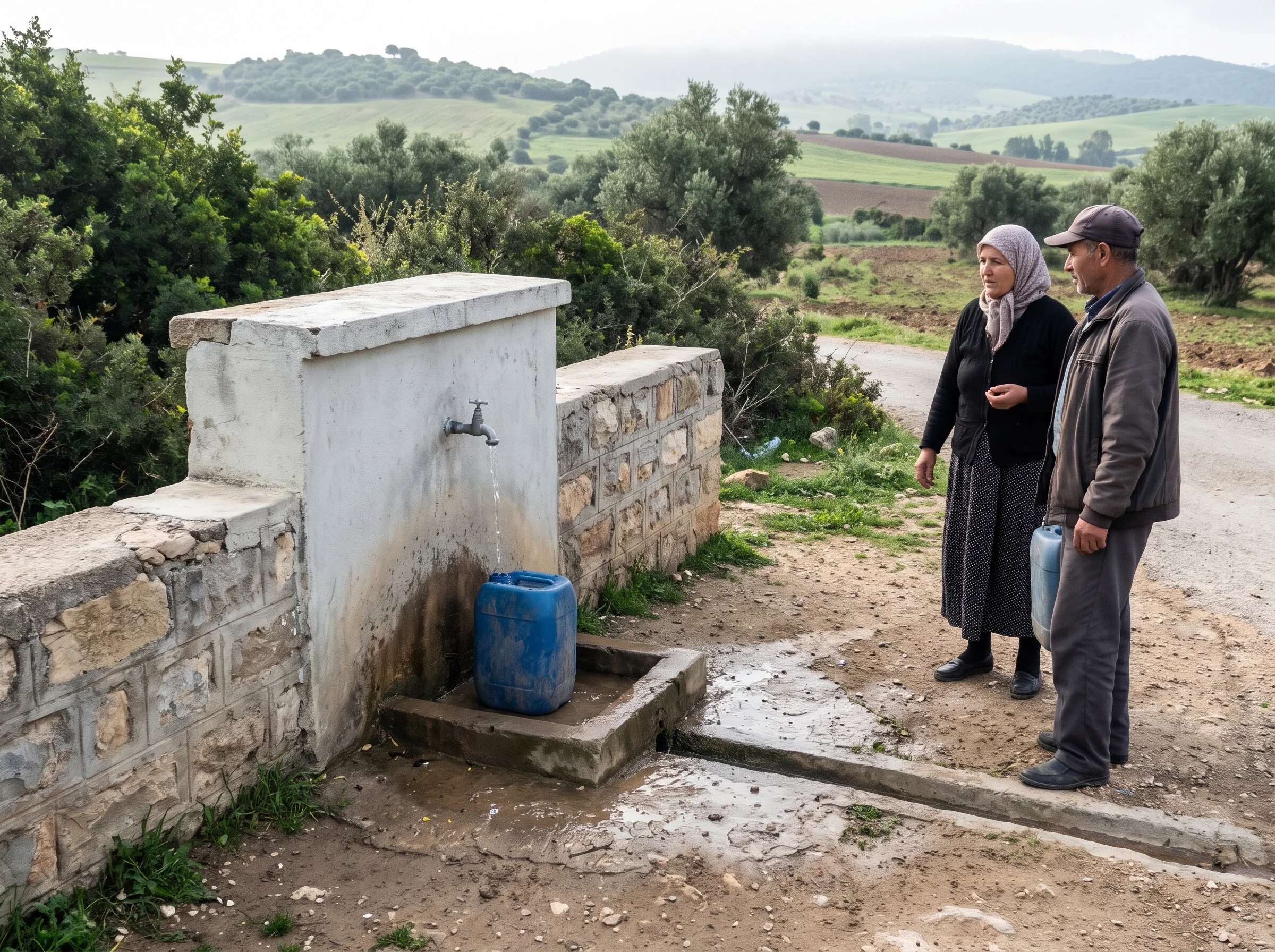
Access to basic social services
We fight isolation and facilitate access to drinking water, decent housing, and social, health and education services. Gender equity is at the heart of our participatory approach.
- Development of access roads
- Drinking water
- Decent housing
- Social, health and education services
Pillar 2
Agricultural development and resource management
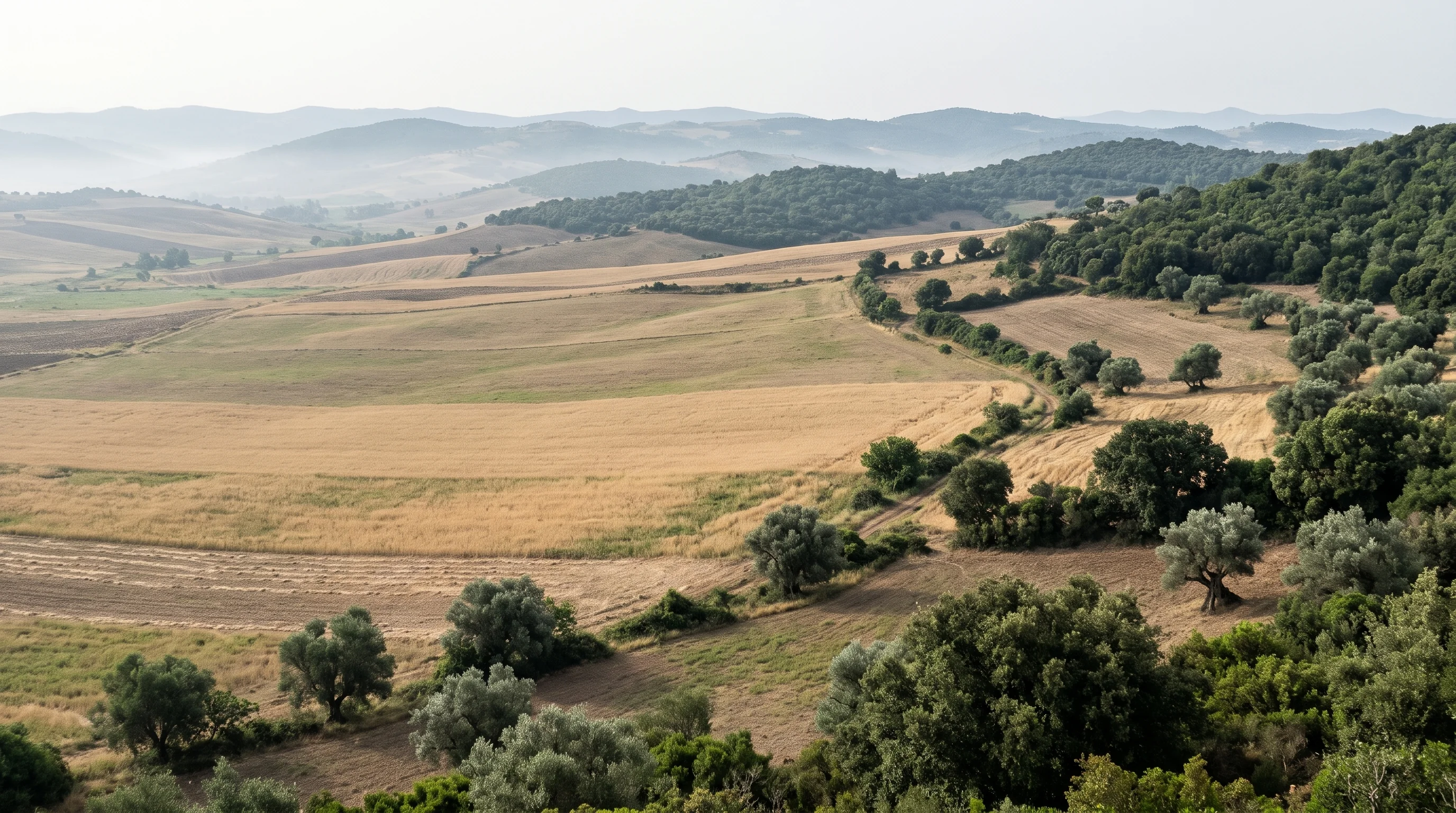
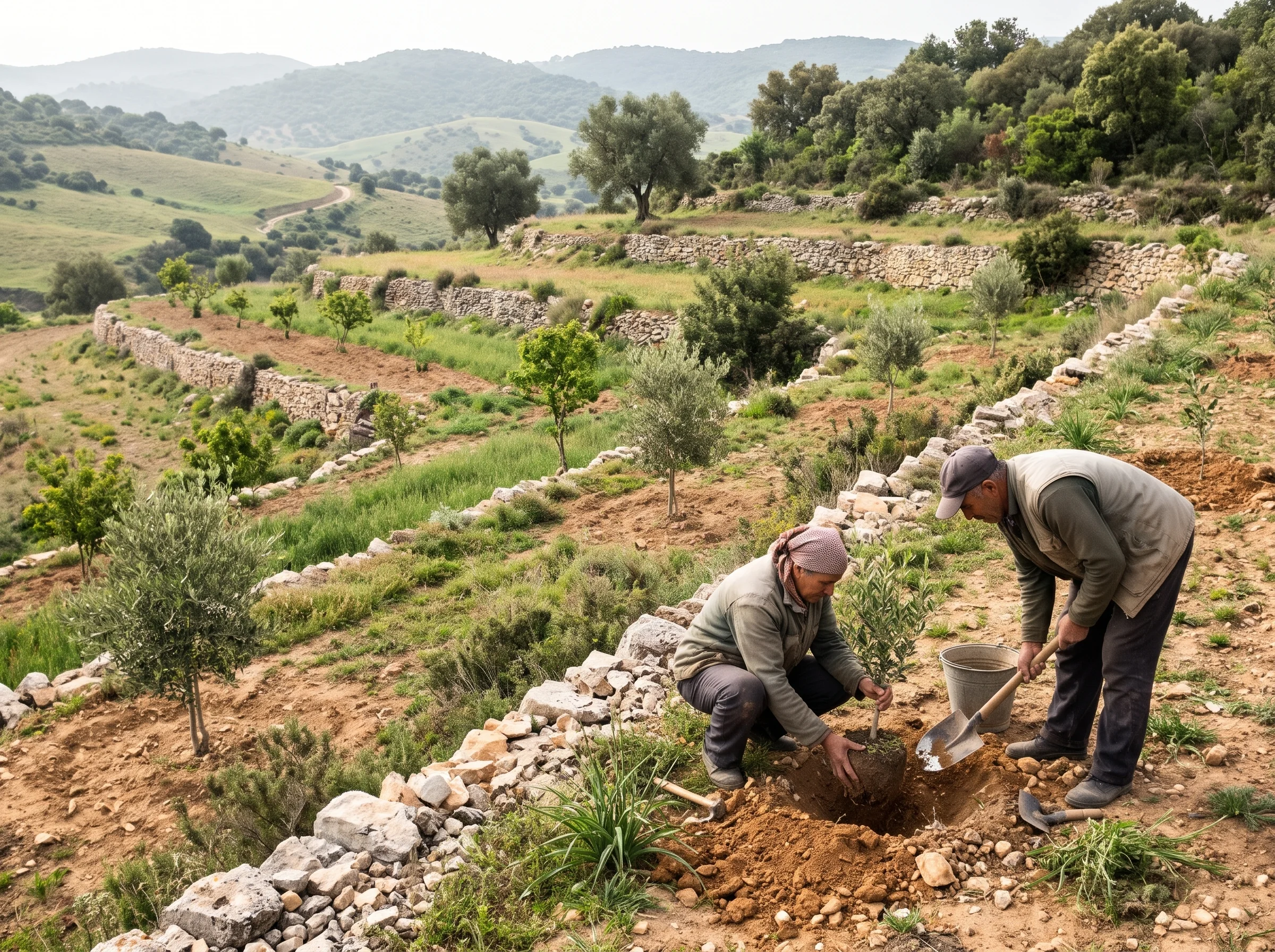
We develop resilient agroforestry production systems and ensure land development and protection, with an emphasis on integrated and coordinated management of natural resources.
- Resilient agroforestry production systems
- Land development and protection
- Integrated and coordinated management of natural resources
Pillar 3
Social and solidarity economy
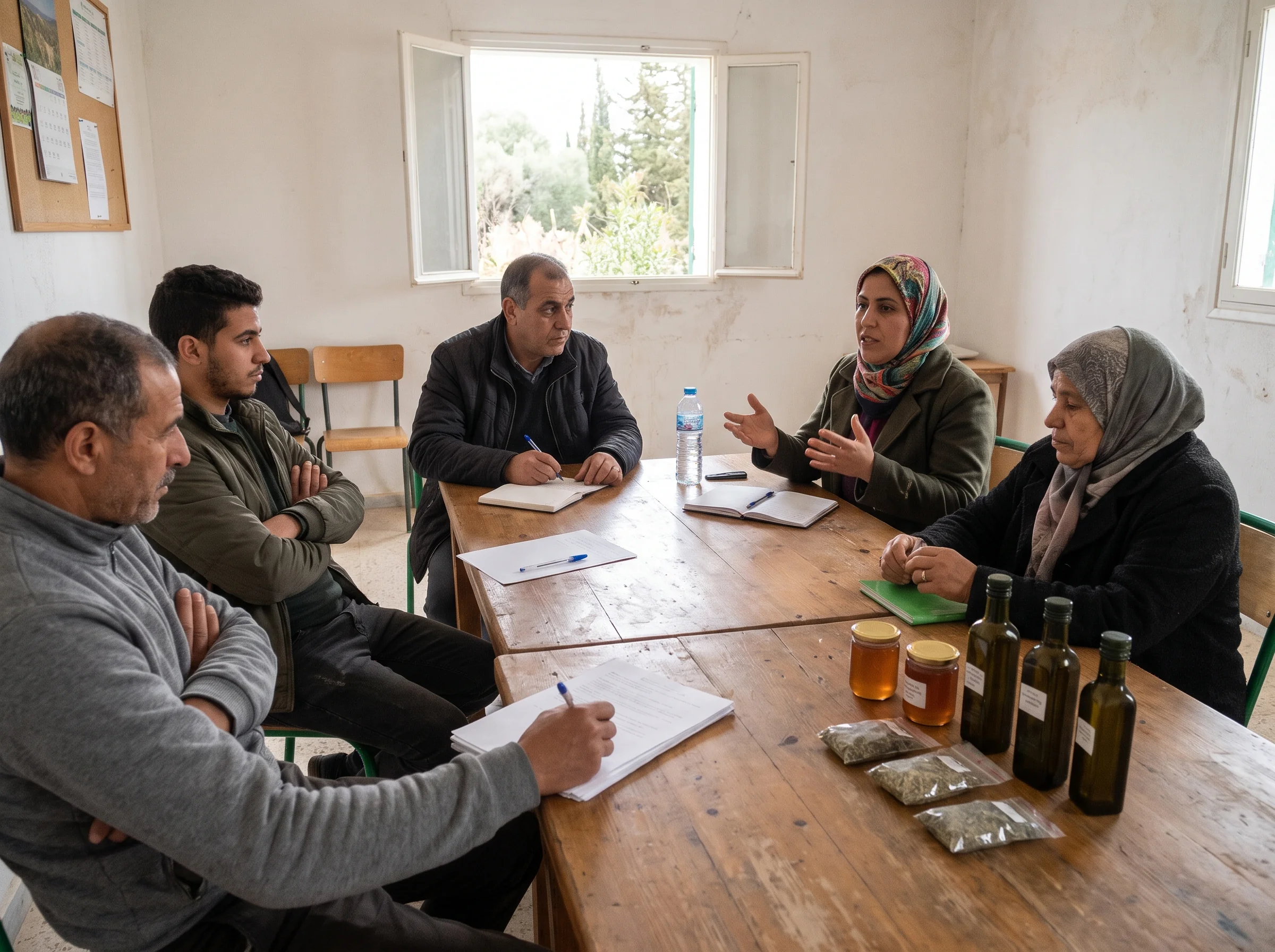
We build the capacity of socio-professional organizations (SMSA, GDAP), support the emergence of projects led by women and young people, and promote local products with added value.
- Socio-professional organizations: SMSA and GDAP
- Projects led by women and young people
- “Organic” and “local product” labels
Pillar 4
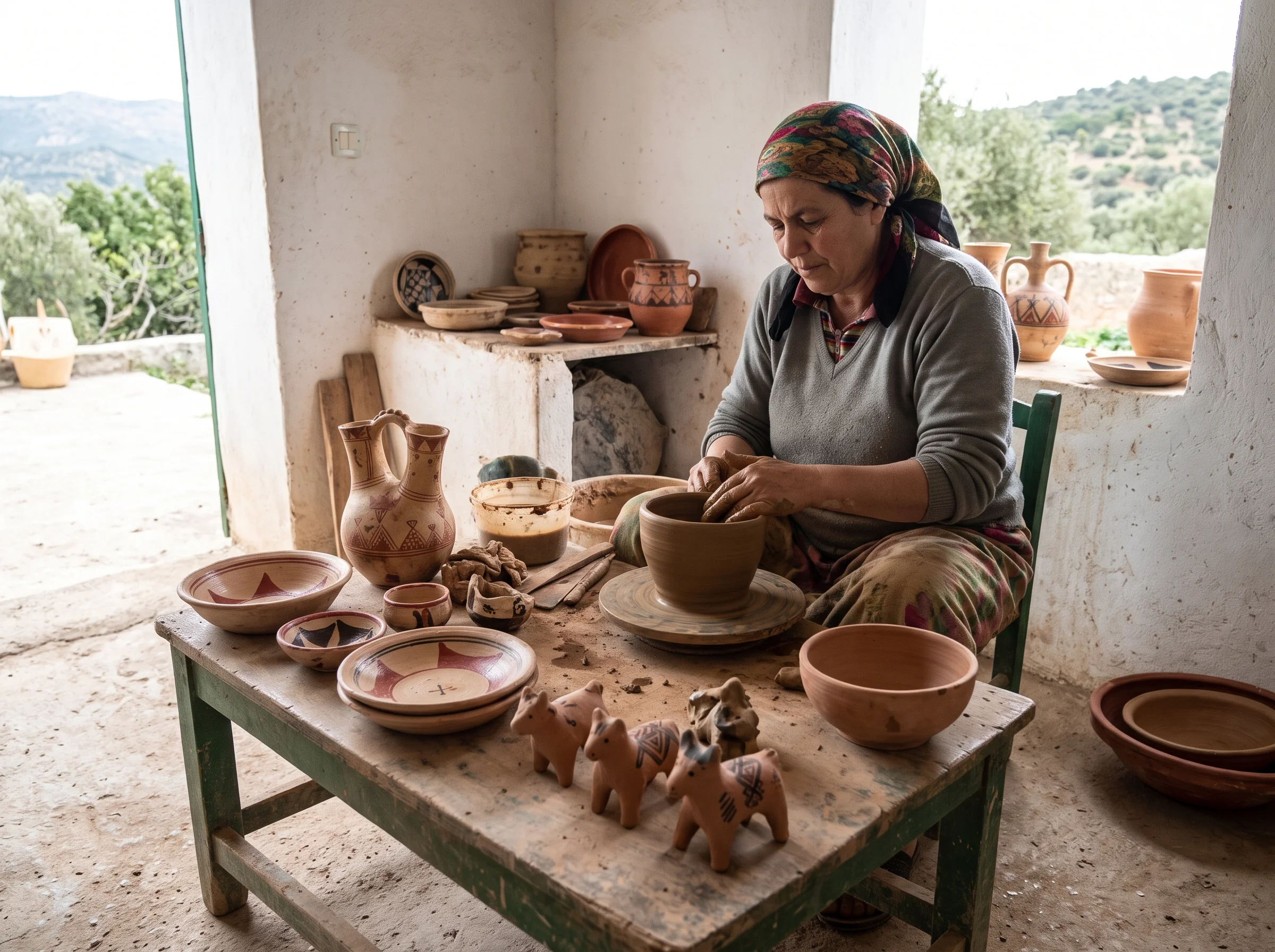
Promoting income-generating activities
We support vulnerable households, small-scale farmers, and unemployed young graduates (women and men) in entrepreneurship suited to the local context.
- Agricultural value chains: beekeeping, poultry farming…
- Non-agricultural value chains: crafts, small trades