Integrated resource management
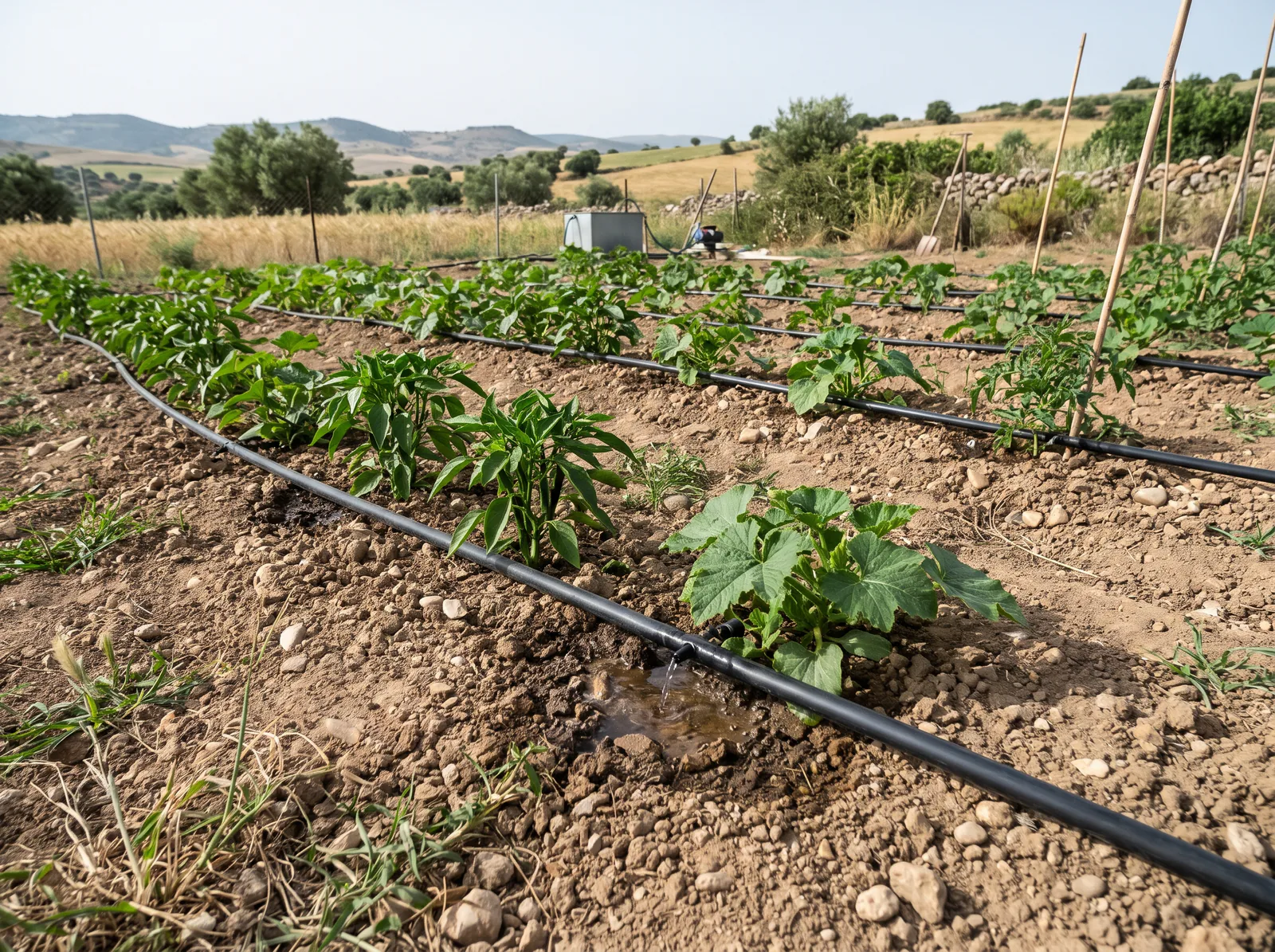
Modernising irrigation techniques and rehabilitating water sources to reduce losses.

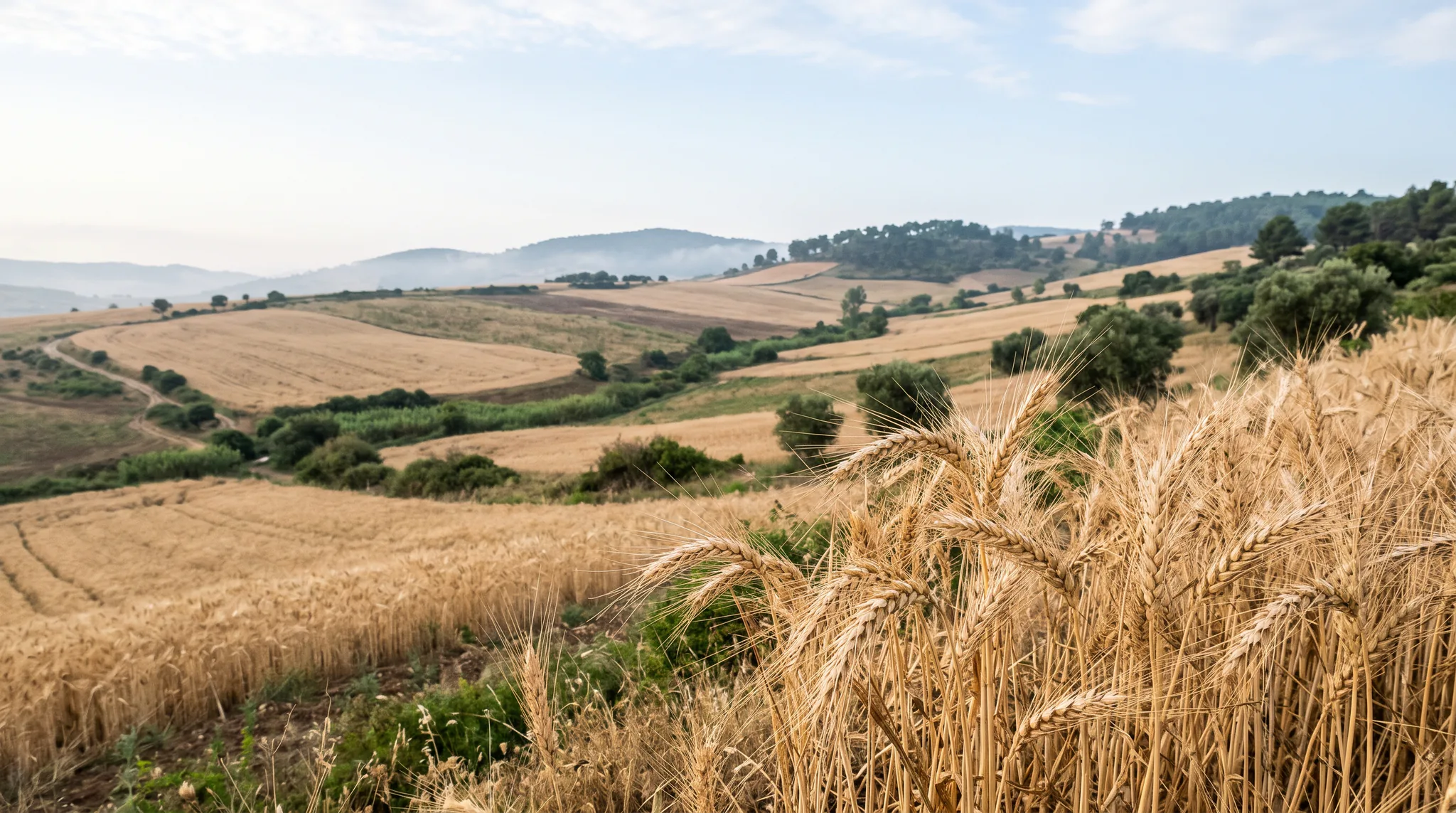
Towards territorial resilience for the 2026–2030 period.
A phase of transformation
Our future actions are structured around three priority areas.
Area 1
In a context where Tunisia is below the critical water-stress threshold, APEL is contributing to the “Water 2050” strategy.
Modernising irrigation techniques and rehabilitating water sources to reduce losses.
Restoring degraded forest ecosystems to support groundwater recharge.
Area 2
The association supports the ecological transition of the North-West.
Promoting heat-tolerant crops and diversifying varieties to stabilise yields in the face of climate shocks.
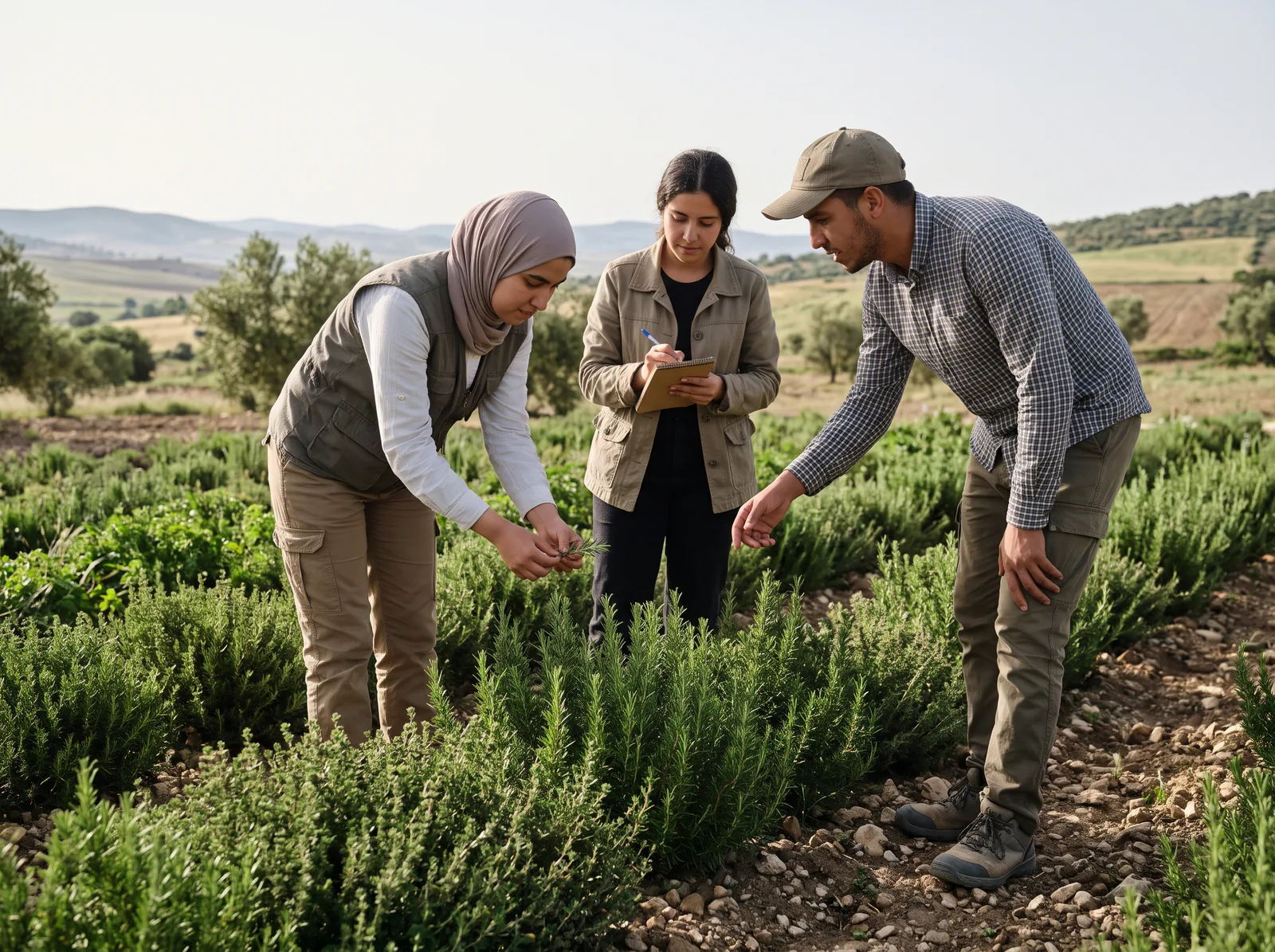
Supporting young people and women in developing sustainable projects (ecotourism, agricultural biotechnologies) through dedicated funds such as the ADAPT programme.
Area 3
The North-West is Tunisia’s breadbasket. APEL is strengthening this role.
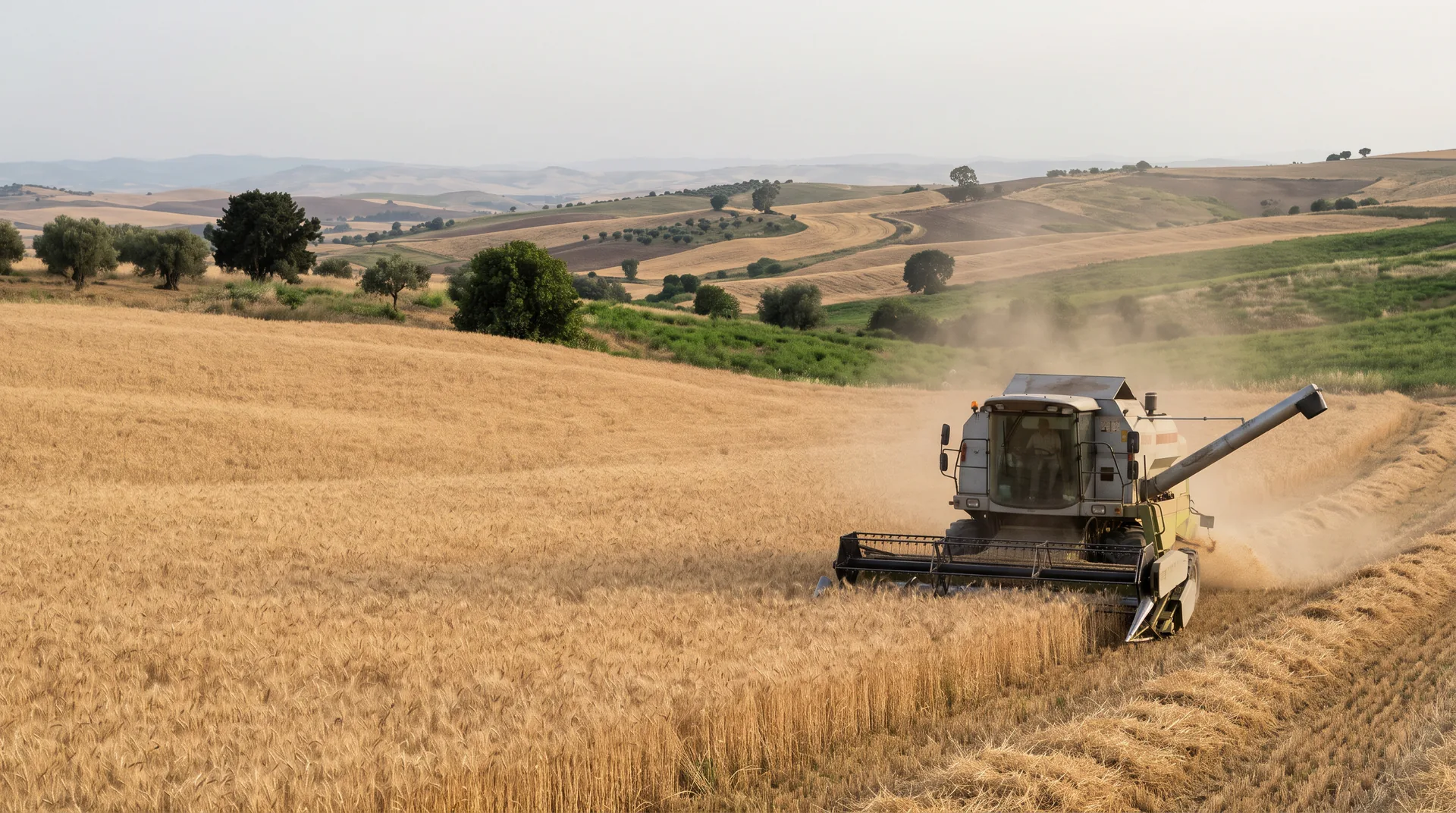
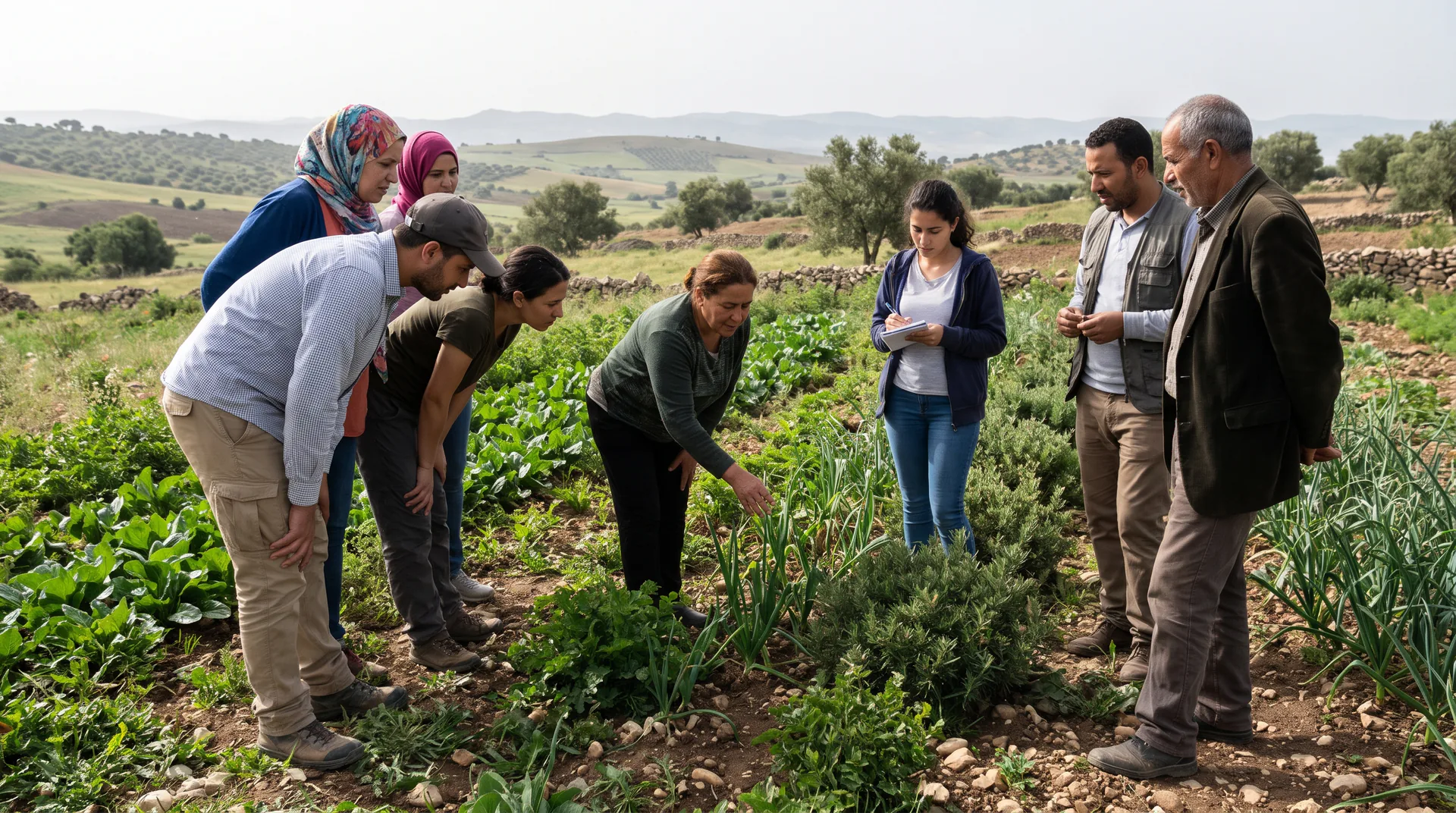
Providing technical support to smallholders in using selected seeds and improving productivity.
Strengthening SMSAs to support local food autonomy and better remuneration for producers.
January 2026
As drought persists, APEL’s work is more vital than ever in helping reduce rural exodus. It is positioning itself as the preferred field partner for the ecological transition in Tunisia’s North-West.