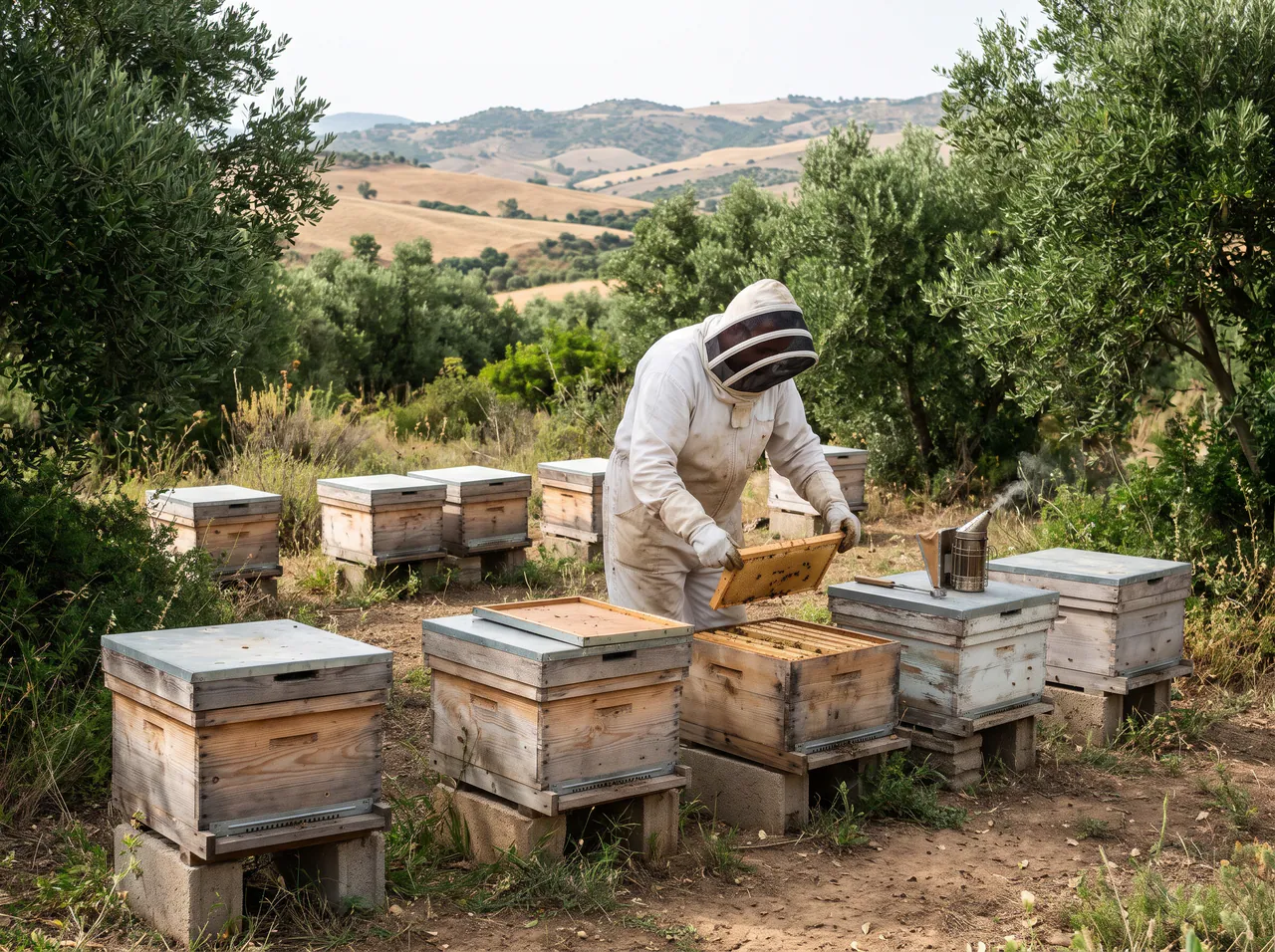
Diptych illustration of a rural track before and after its improvement.

Achievements review 1972–2025

Measurable and lasting impact: five decades of work in Northwest Tunisia.

1 · Basic infrastructure and services

Housing, access, health, education and drinking water

7,000
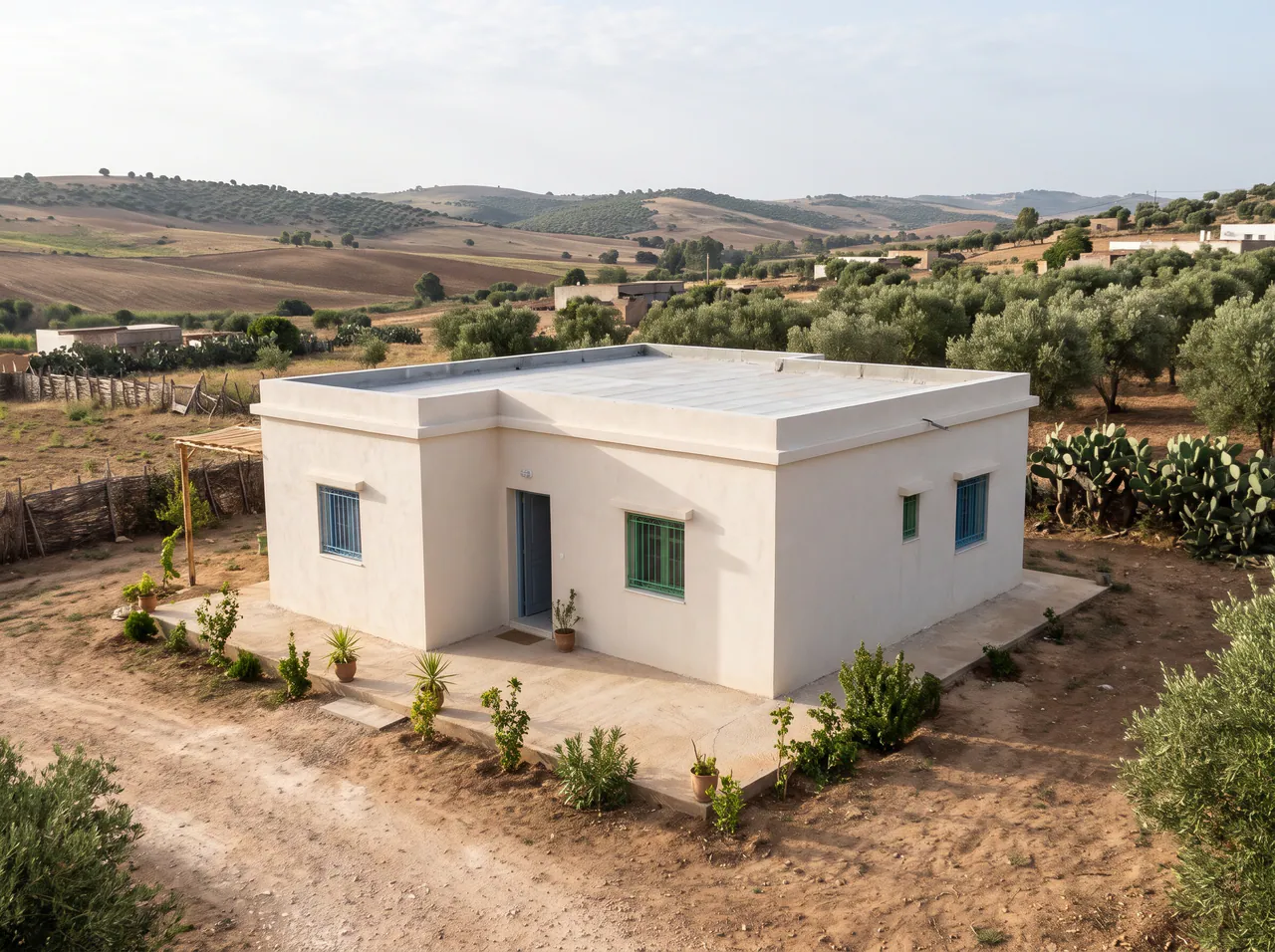
rural homes built through self-construction and improvements
20
settlements and rural and forest village centres developed
160 km
of tracks to break the isolation of douars
18
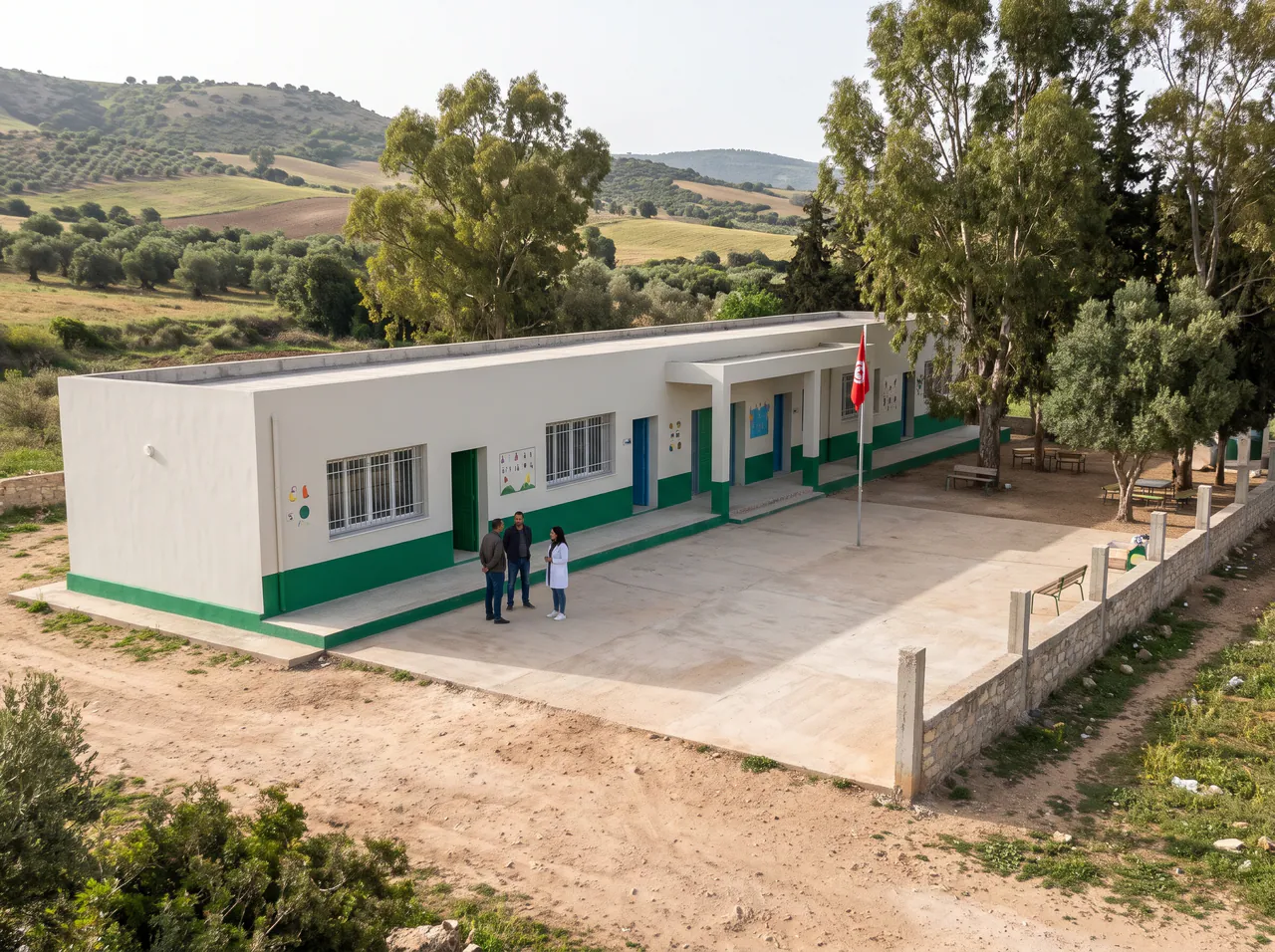
primary schools built and rehabilitated
10
rural dispensaries local health care for more than 20,000 residents a year
100
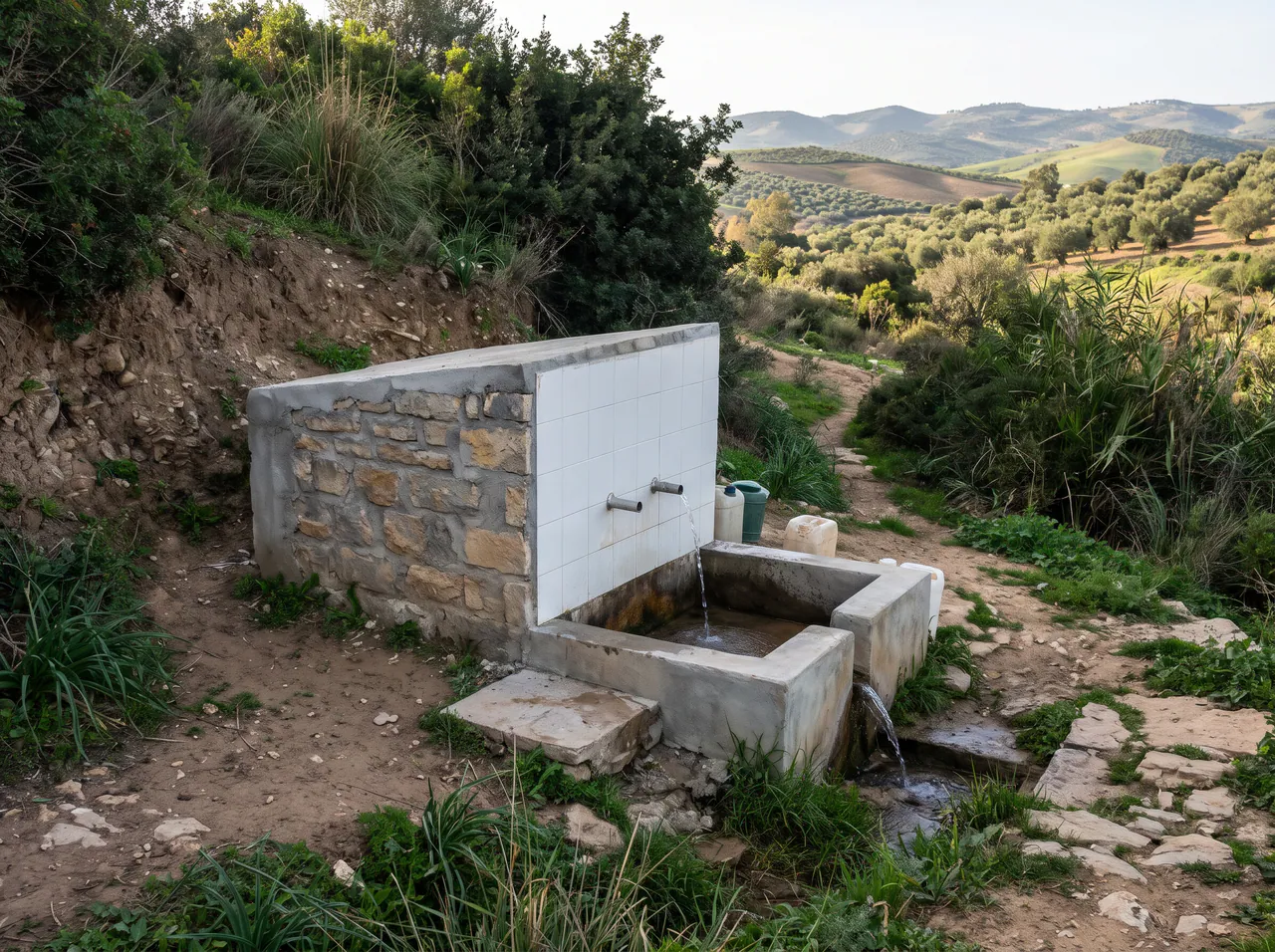
drinking water sources developed for secure access
Illustration of a rural home in a hilly landscape.
Illustration of a rural school surrounded by vegetation.
Illustration of an improved water source in a rural landscape.

2 · Agricultural development and environment

Protecting land, making resources more valuable

1,500 ha
of land protected against erosion (CES)
600 ha
of irrigated areas developed
1,000 ha
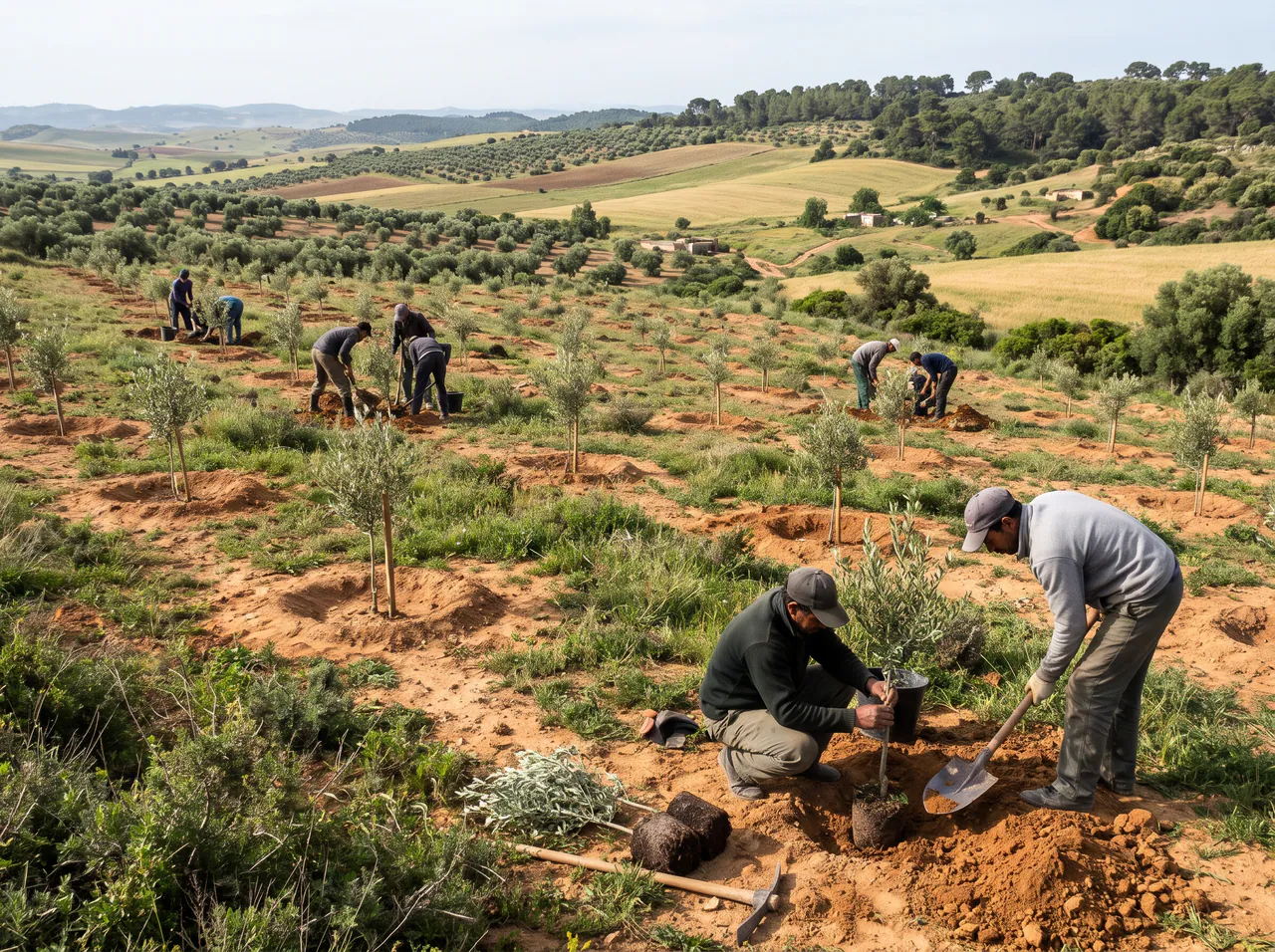
of fruit and agroforestry trees planted
6,000 ha
of fodder crops put to productive use

Livestock and biodiversity

Genetic improvement of local livestock and promotion of beekeeping, poultry farming and rabbit farming, to offer sustainable alternatives to forest users and landless rural households.

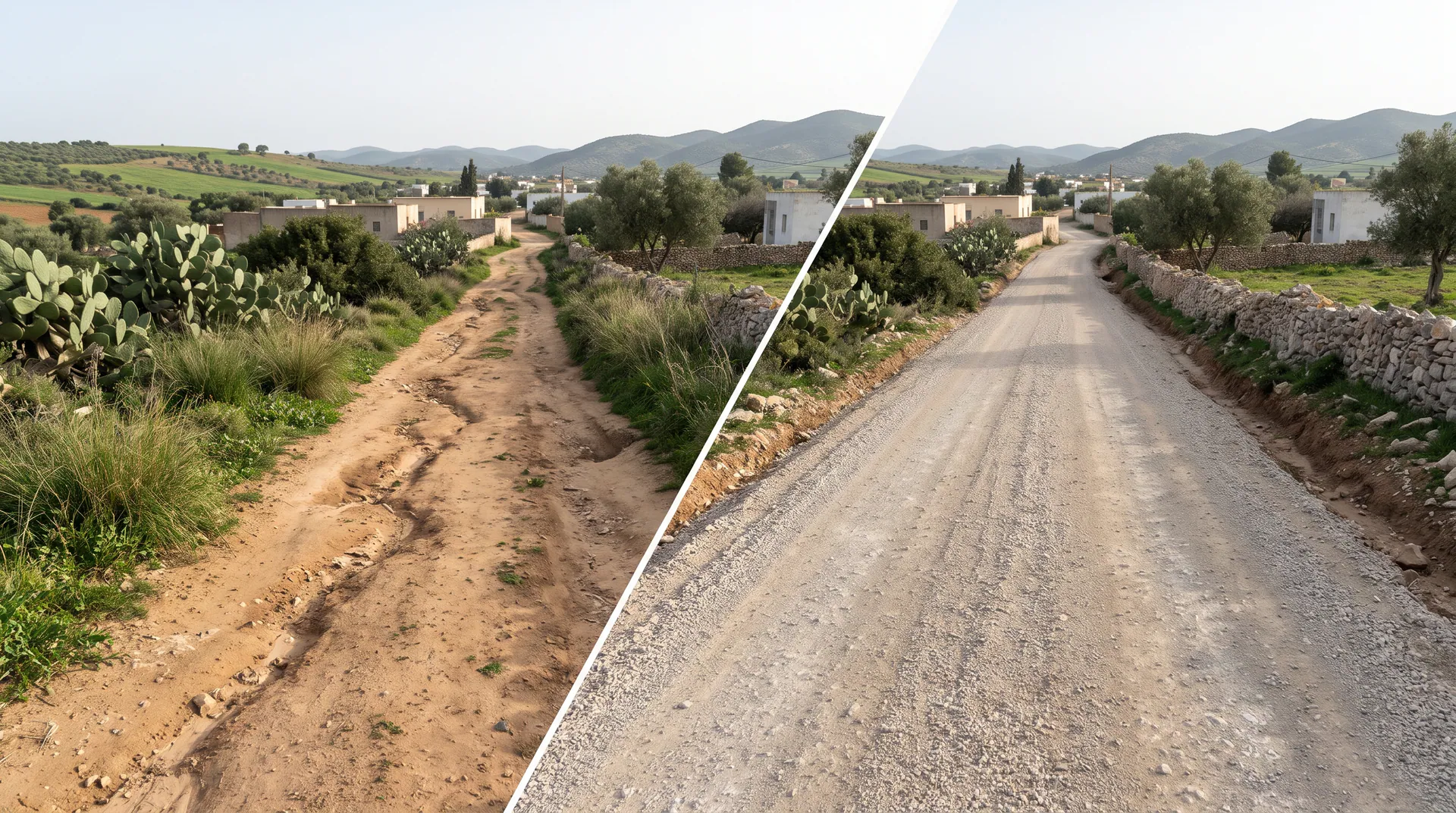
Illustration of people planting trees on rural land.
Illustration of beekeeping among beehives.

3 · Strengthening the local economy
Financial autonomy, employment and entrepreneurship

≈ 8,700
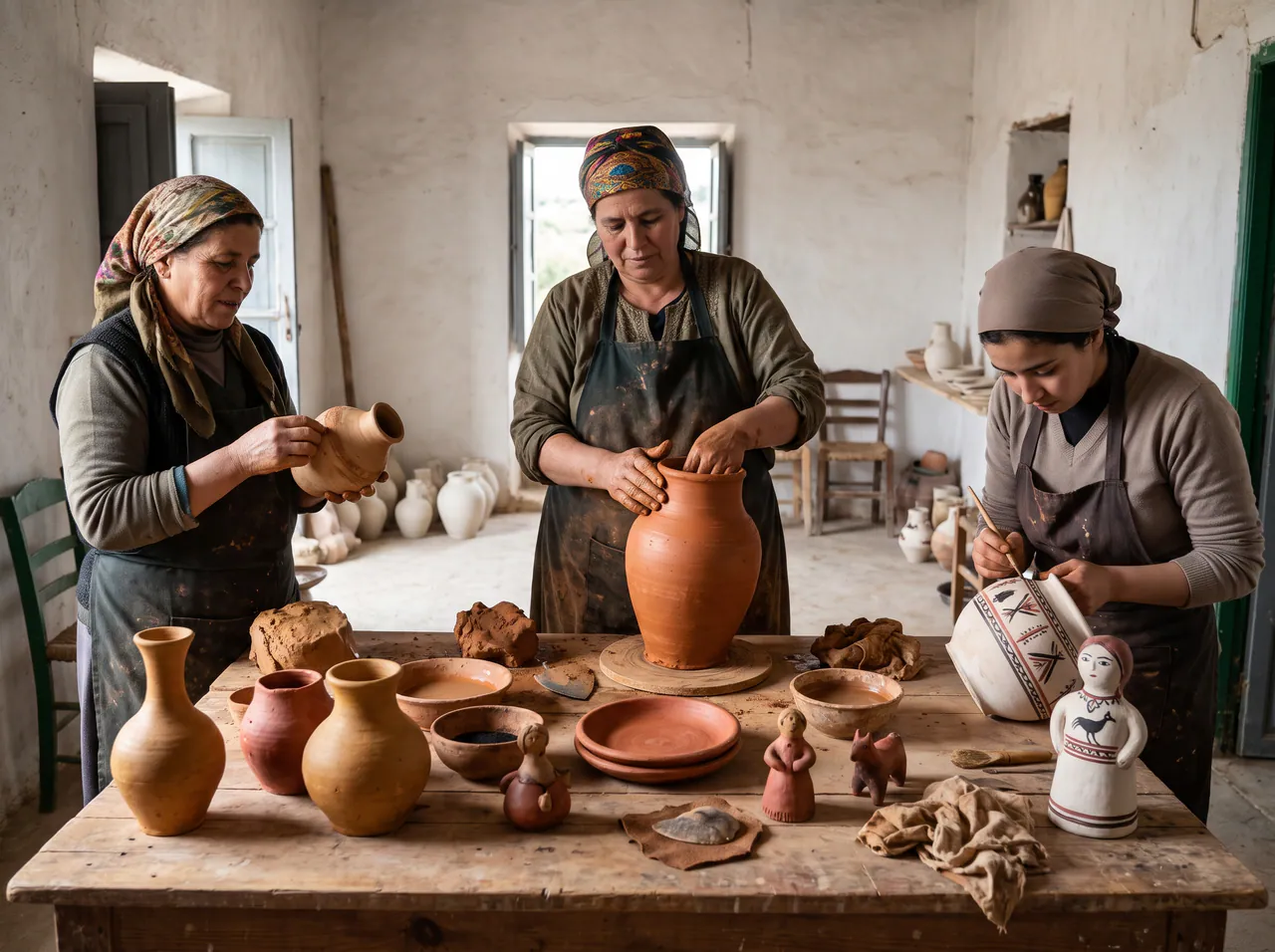
income-generating activities (IGAs) created and consolidated
+200
non-agricultural jobs micro-enterprises, crafts and services
Illustration of women shaping pottery.

4 · Civil and professional society

APEL, a catalyst for local community organisation

Autonomous organisations established and supported by the association.

22
GDAP
40
local development committees (CLD)
4
mutual agricultural services societies (SMSA), pooling resources and marketing
4
local women’s development associations (AFDL), pillars of rural women’s empowerment

Djebel Labiadh specialised association

Dedicated to granting microloans in partnership with BTS.
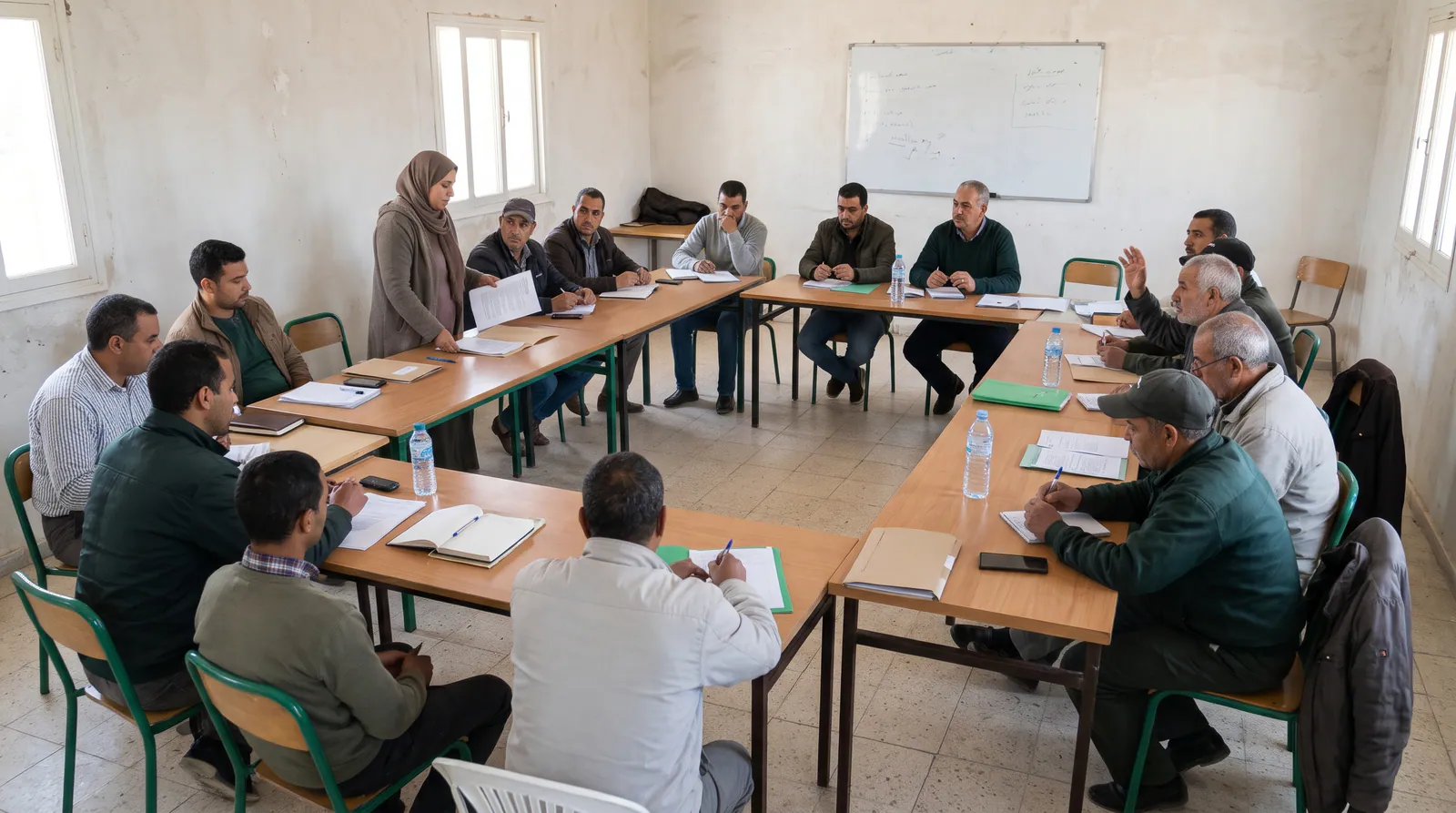
Illustration of a group meeting in a work room.

5 · Geographic reach

More than 100,000 people supported

Our work has benefited more than 100,000 people, around 12% of the targeted forest population, across several delegations in Northwest Tunisia: Béja, Jendouba, El Kef and western Bizerte.
BéjaJendoubaEl KefBizerte (west)
Explore projects by region
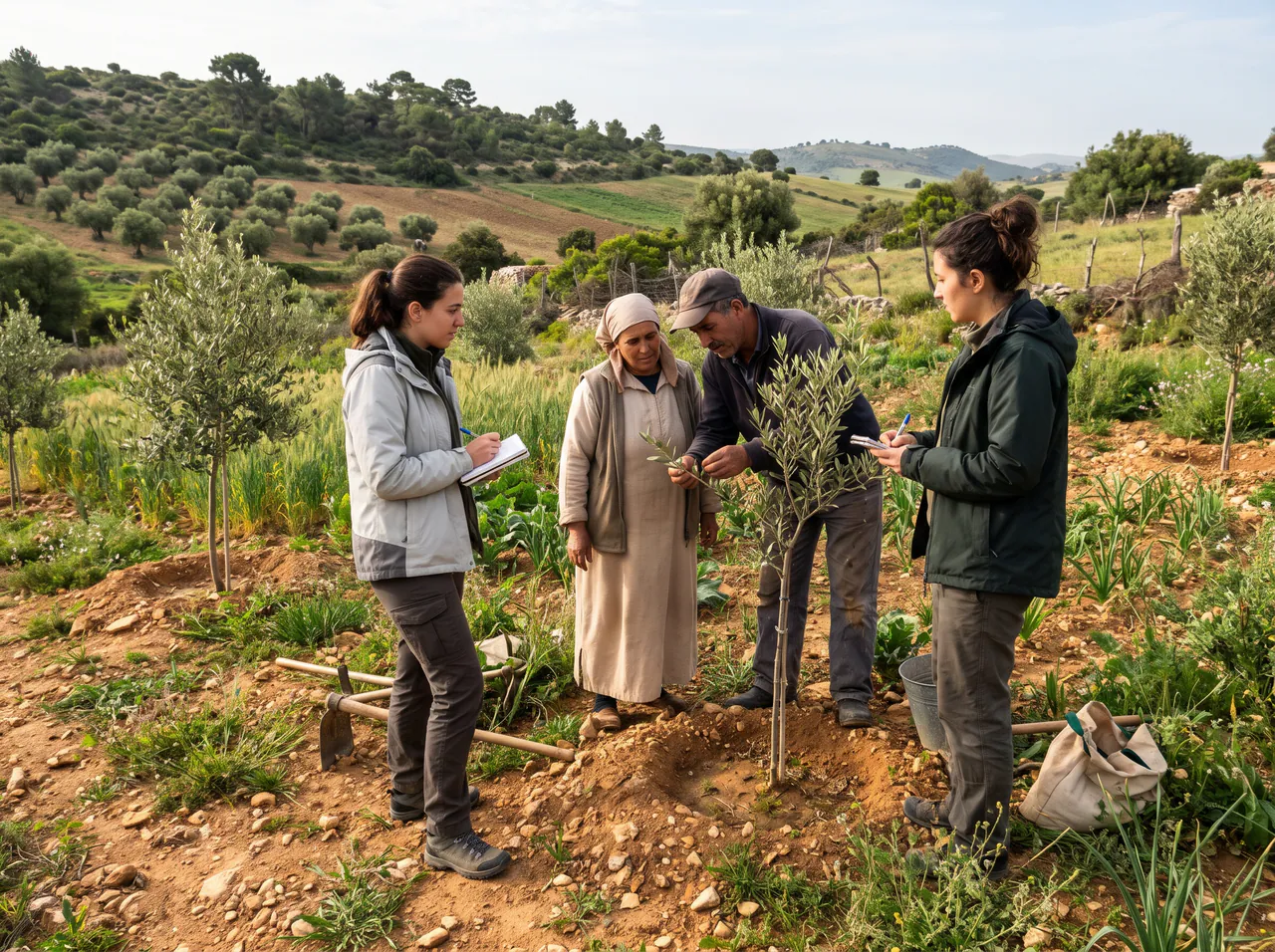
Illustration of a field discussion among crops and trees.